
Collection: Hormonal balance and menopause, fertility and impotence
-
אבקת שורש מאקה אדומה אורגני נא | ספירולייף
Vendor:SpirulifeRegular price 108.00 ₪Regular priceUnit price 36.00 ₪/100g -
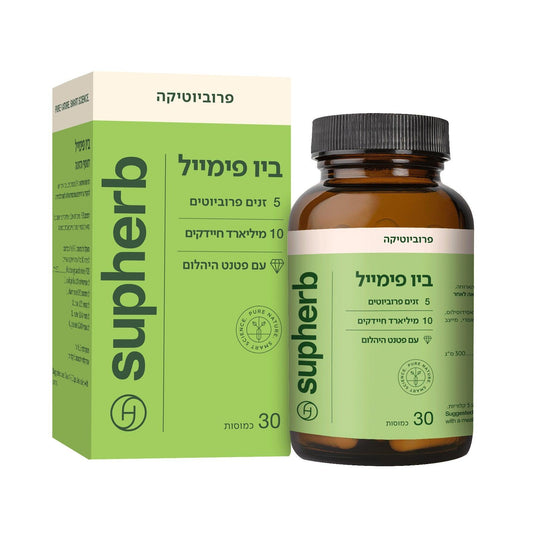
Bio Female | Bio Female | Soferab
Vendor:SupherbRegular price 109.70 ₪Regular price156.70 ₪Sale price 109.70 ₪Sale -
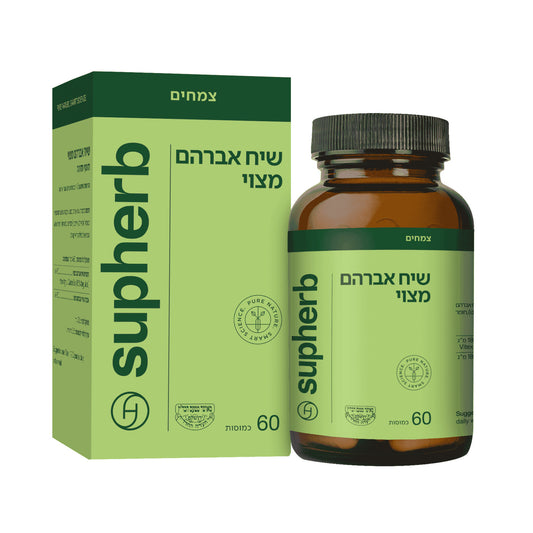
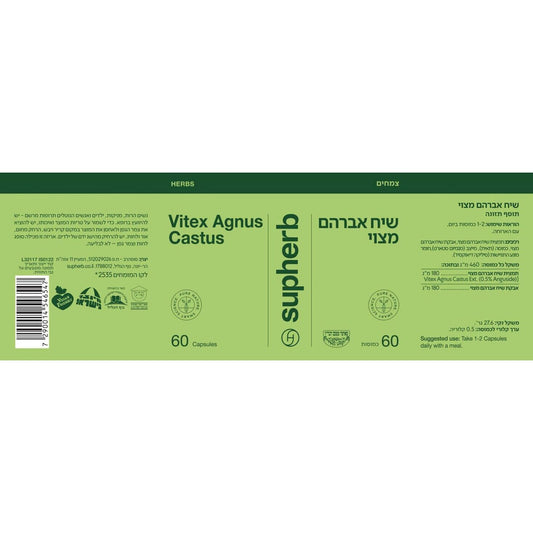
Chaste Tree (Agnus Castus Extract) | Agnus Castus (Vitex) | Suphaherb
Vendor:SupherbRegular price 114.90 ₪Regular price163.90 ₪Sale price 114.90 ₪Sale -
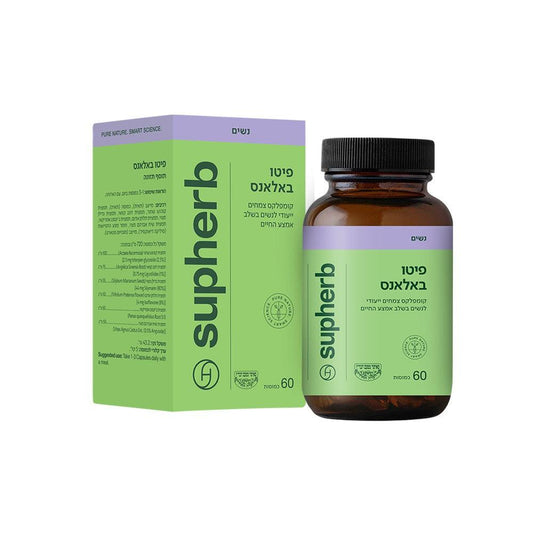
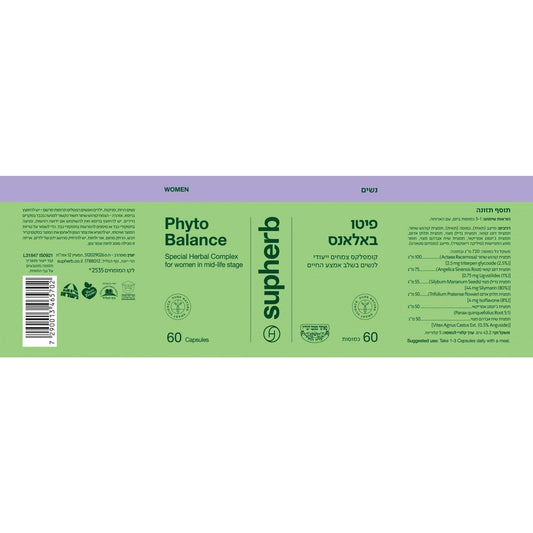
Phyto Balance | Phyto Balance | Suherb
Vendor:SupherbRegular price 139.90 ₪Regular price199.90 ₪Sale price 139.90 ₪Sale -
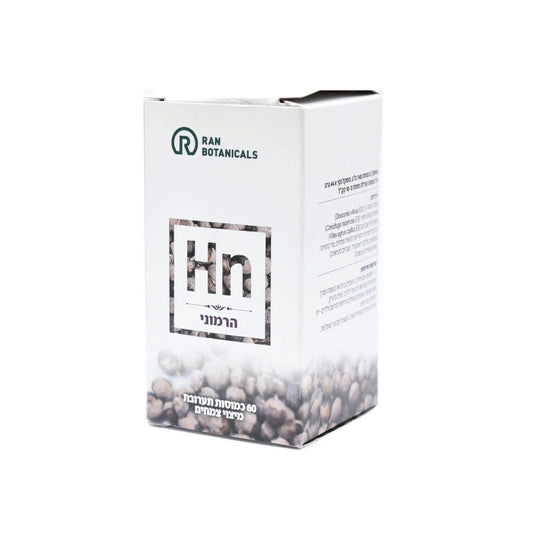
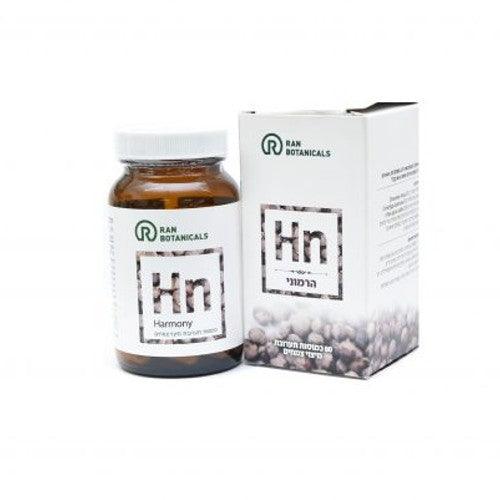
Harmony | Harmony | Ran Botanicals
Vendor:Ran BotanicalsRegular price 160.00 ₪Regular price199.00 ₪Sale price 160.00 ₪Sale


Hormonal imbalances, menopause, impotence, and fertility are all areas where you can try to improve your health through lifestyle changes, a balanced diet, and sometimes supplements. It is important to note that any natural treatment should be undertaken in consultation with a healthcare professional to ensure it is appropriate and safe for your specific condition.
Lifestyle and dietary changes
- Balanced diet : A diet rich in vegetables, fruits, whole grains, lean proteins, and healthy fats may support hormonal balance.
- Regular exercise : Help improve mood, relieve menopausal symptoms, and support overall health.
- Stress and anxiety management : Practices such as yoga, meditation, and mindful breathing can help reduce stress, which affects hormonal balance.
Dietary supplements
- Vitamins and minerals : Vitamin D, B complex, and magnesium can support hormonal balance and reproductive health.
- Heavy metals : Supplements such as ashwagandha, maca, and tribulus terrestris are considered to support hormonal balance and boost libido.
- Omega-3 : Omega-3 fatty acids can ease menopause symptoms and support heart health.
- Probiotics : Help maintain gut health, which has an impact on hormonal balance through the gut-brain connection.
Use of medicinal plants
- Herbs : Black Cohosh and Dong Quai are known to help relieve menopausal symptoms. Herbs like Chasteberry are considered fertility-supporting.
It is important to emphasize that despite the health potential of dietary supplements and herbs, they are not a substitute for professional medical care. If you are experiencing health problems, including hormonal imbalances, menopause, impotence or fertility problems, it is recommended to seek medical advice for a diagnosis and personalized treatment.